
Tanzania Rhino Safari
In most Big Five safaris, a rhino is quite rare and obscure. And it’s often seen in rare circumstances, as this elusive mammal prefers peace over disturbances. Not only is it elusive, but this massive, second-heaviest land animal is critically endangered. Tanzania is home to this wonderful mammal. In this article, we’ll feature a rhino safari in Tanzania.
Rhinos.
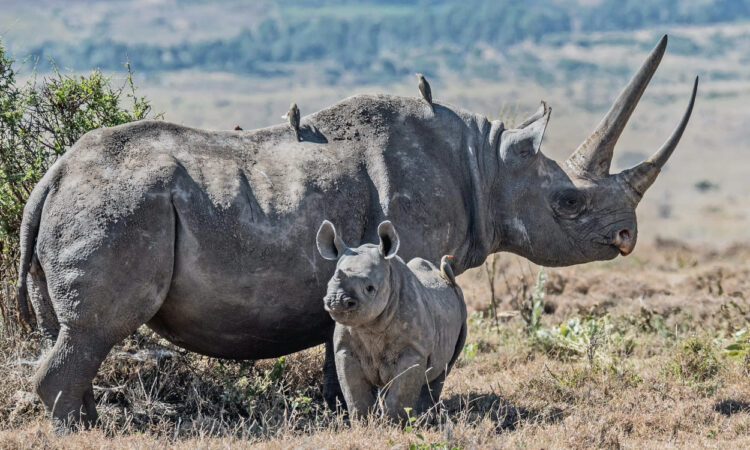
As a nature lover, you’re probably familiar with the terms “white rhino” and “black rhino.” These are two species of rhinos in the wilderness. And to a surprise, color is not their main distinguishing feature – it’s their lip. The white rhino has a square lip, contrary to the black rhino’s hooked lip.
And due to the different morphology of their lips, these animals can live together without competition. Why is this? The black rhino browses, while the white rhino grazes.
In terms of coat, the color of rhinos is gray: the white rhino has a light gray coat, whereas the black rhino has a darker gray coat. But why are they called ‘white’ and ‘black’? The term ‘white’ is a misinterpretation of the German word “weit,” which means wide, referring to the white rhino’s square lip.
The term ‘black rhino’ was possibly coined to distinguish it from the white rhino. Other sources suggest that it’s because of the black tint this rhino gets after wallowing in mud.
What species of rhinos are found in Tanzania?
Tanzania hosts both black and white rhinos. Let us explain. Back in the days, Tanzania had a large population of rhinos, which shared vast plains and shrublands with elephants, lions, zebras, and wildebeest. However, a surge in the demand for rhino horns in Asian markets accelerated poaching. As a result, the white rhinos were completely wiped out while black rhinos remained in very small numbers.
As of now, Tanzania is home to both black and white rhino species, following the reintroduction of 18 white rhinos in the Ngorongoro Conservation Area. After half a century of absence, white rhinos are back on the vast, expansive plains. And because white rhinos prefer plains over shrublands and scrublands, chances of spotting them are higher than those of black rhinos, which stay in shrubs. Since white rhinos have just arrived back in the land where they once lived, it may be harder to watch them, though it’s possible. Therefore, you’re more likely to see black rhinos.
Facts about black rhinos.
Black rhinos stay in small groups – around two to three individuals. Females form strong bonds with their calves while males are solitary. Males may join the family during mating periods and leave soon after the ‘heat’ period ends.
Males often sleep longer than females. That said, it’s remarkably challenging to spot males during game drives as they sleep in thickets and shrubs away from any distraction – insects or animals.
Black rhinos give birth after about three years, giving birth to a single calf. Their gestation period is between 15 and 16 months. Be careful with rhino families with young ones because females are always overprotective of their calves.
Where to go for rhino safaris in Tanzania?
For centuries, Tanzania has had natural habitats that support these creatures. The plains, shrublands, scrublands… all had a healthy population of rhinos. But due to poaching, you can find rhinos in a few destinations. Here are our best places to watch rhinos in Tanzania.
- Ngorongoro Crater.
A World Heritage Site and a top spot for ticking Big Five off your bucket list. This enormous caldera harbors one of the highest concentrations of wildlife, from as large as the African elephant to as small as the dik-dik. On average, 30 black rhinos are present inside this crater. And there are no guides to compare Focus East Africa Tours’ at finding the hideouts of these animals.
- Serengeti National Park.
The Serengeti is Africa’s premier wildlife sanctuary. The major highlight is the wildebeest migration, an annual movement of over 1.7 million wildebeest and zebras from the south to the north in their quest for fresh pasture. This park plays home to about 160 black rhinos. Sightings might be rare due to the fact that the park is so huge, but we have a clue. The south-central region, called the Moru Kopjes, hosts many black rhinos under the surveillance of armed rangers to ensure they’re safe.
- Mkomazi National Park.
Apart from the well-known places, Mkomazi is another promising place to spot the black rhino. The park started its own rhino sanctuary back in the 1990s. As of now, there are about 35 rhinos present in protected zones within the park. In addition, there’s a breeding sanctuary for these mammals where calves are nurtured and released into the wilderness.
- Nyerere National Park.
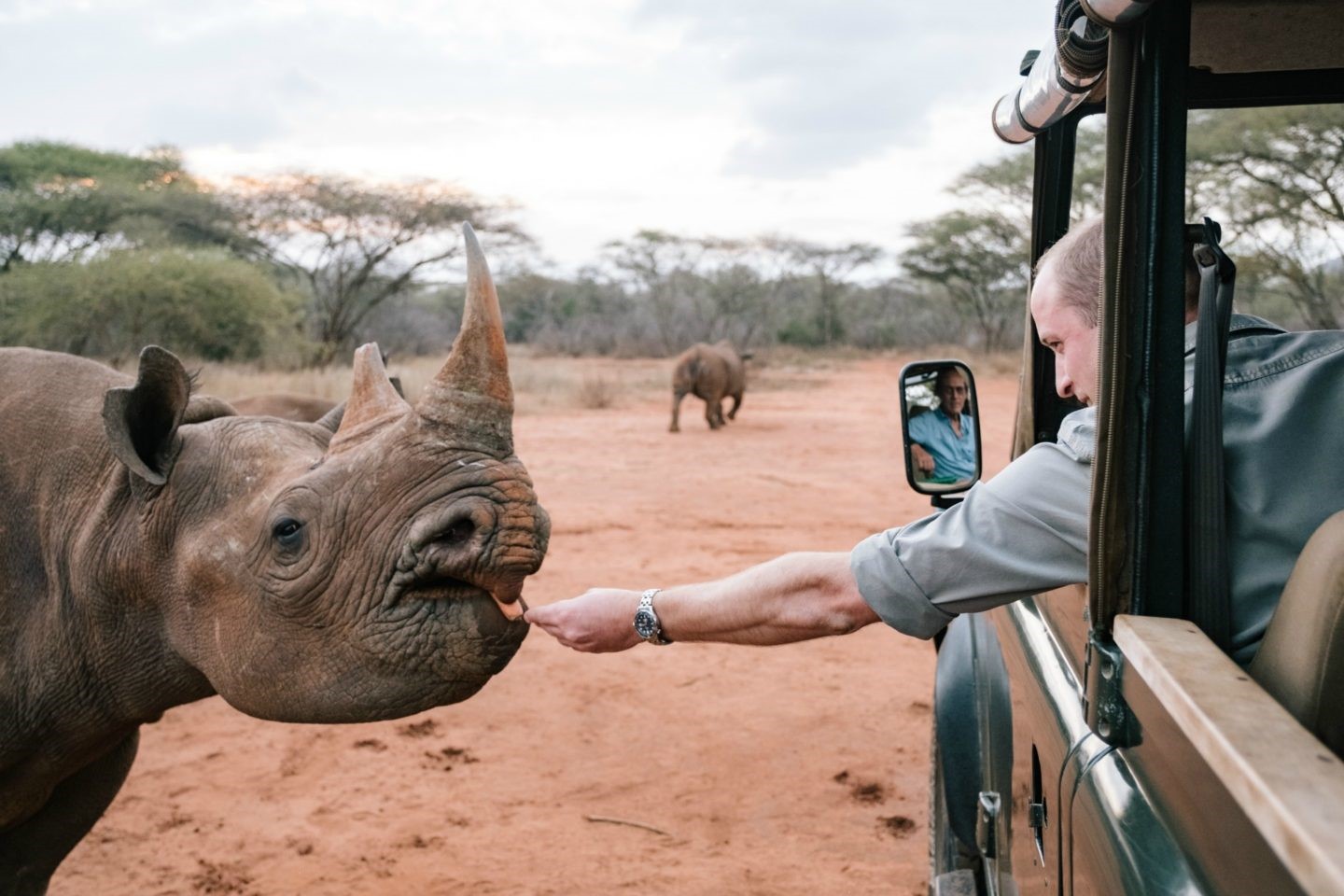
Located in the South, Nyerere is Tanzania’s largest park. This park is famous for the giant Rufiji River, which makes game driving and boat cruising possible on a single wildlife safari. Honestly, encountering a black rhino in this park is very tough and always a bit of luck.
Let’s plan your rhino safari.
Tanzania is a promising place to see rhinos on safari. We’ve taken many safari-goers to this wonderful destination to tick the boxes – Big Five and the likes. Let’s help you plan this memorable adventure.